
Vortrag (Präsenzveranstaltung)
From Enzyme Discovery to Engineered Strains: Biocatalytic Solutions for Pharmaceutical Synthesis
Prof. Dr. Sandy Schmidt
University of Groningen

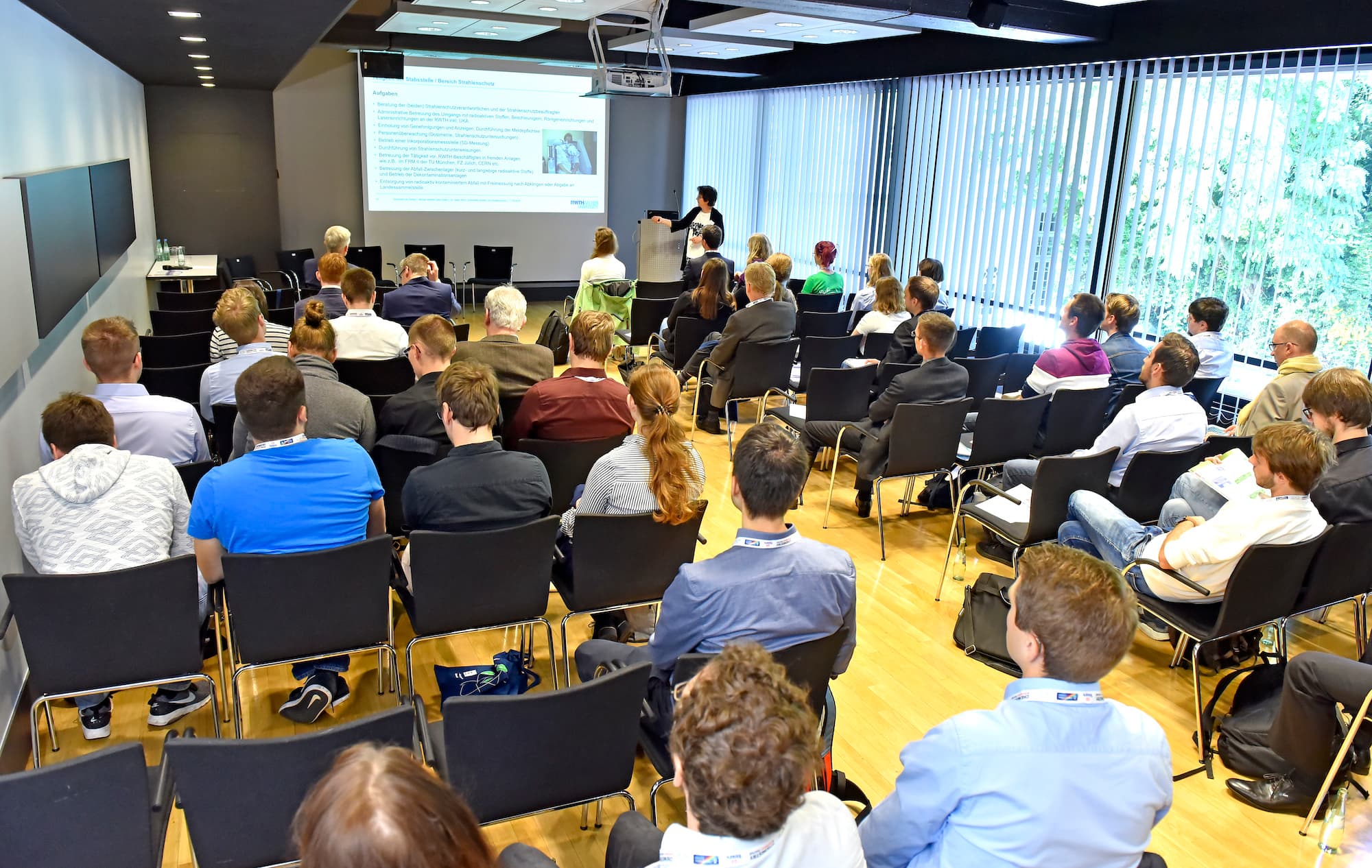
Vortrag (Präsenzveranstaltung)
University of Groningen
Biocatalysis is increasingly adopted in the chemical industry due to its sustainability advantages, such as
biodegradable catalysts, high selectivity, and operation under mild conditions.[1] In particular, the precise control
enzymes exert over reaction outcomes makes them ideally suited for the synthesis of active pharmaceutical
ingredients. In this talk, I will present our integrated approach to developing new enzymatic and microbial tools for the
synthesis of pharmaceutical building blocks.
We focus on the discovery, characterization, and engineering of nitrogen–nitrogen bond-forming enzymes
(NNzymes), which utilize various metallo-cofactors and reaction types to catalyze N–N couplings, forming unique
bioactive molecules.[1] A particular focus lies on piperazate synthases (PZSs) involved in the biosynthesis of rare
nitrogen-containing heterocycles.[2] These enzymes offer a biocatalytic route to L-piperazate—a pharmacophore found
in several bioactive compounds—highlighting the potential of pathway-inspired enzyme engineering. We expand the
scope of characterized PZSs through genome mining and reveal promiscuous activities leading to functionalized
hydrazine derivatives[2] and other nitrogen heterocycles of pharmaceutical relevance.
[3]
Additionally, we explore Rieske non-heme iron oxygenases (ROs)—an underexploited enzyme family known for
their regio- and stereoselective C–H functionalization capabilities. To harness their potential, we have optimized both
in vivo[4] and in vitro[5] RO systems. We are also exploring hybrid RO systems[6] and redox partner fusion proteins[7] to
enhance catalytic activity, opening new avenues for late-stage functionalization in drug synthesis.
Complementing these enzyme-focused efforts, we have developed synthetic biology tools for Cupriavidus
necator,
[8–10] a versatile and robust chemolithoautotrophic bacterium with high potential for C1-based
biomanufacturing. By improving its genetic tractability, we demonstrate how C. necator can be transformed into an
efficient platform for whole-cell biocatalysis in pharmaceutical applications.[11]
Together, these efforts underscore how combining enzyme discovery and engineering with strain development
of non-model bacteria can significantly expand the biocatalytic toolbox for more sustainable and efficient
pharmaceutical synthesis.
Mittwoch, 24. Juni 2026
16:00 – 18:00Mittwoch, 24. Juni 2026
16:00 – 18:00